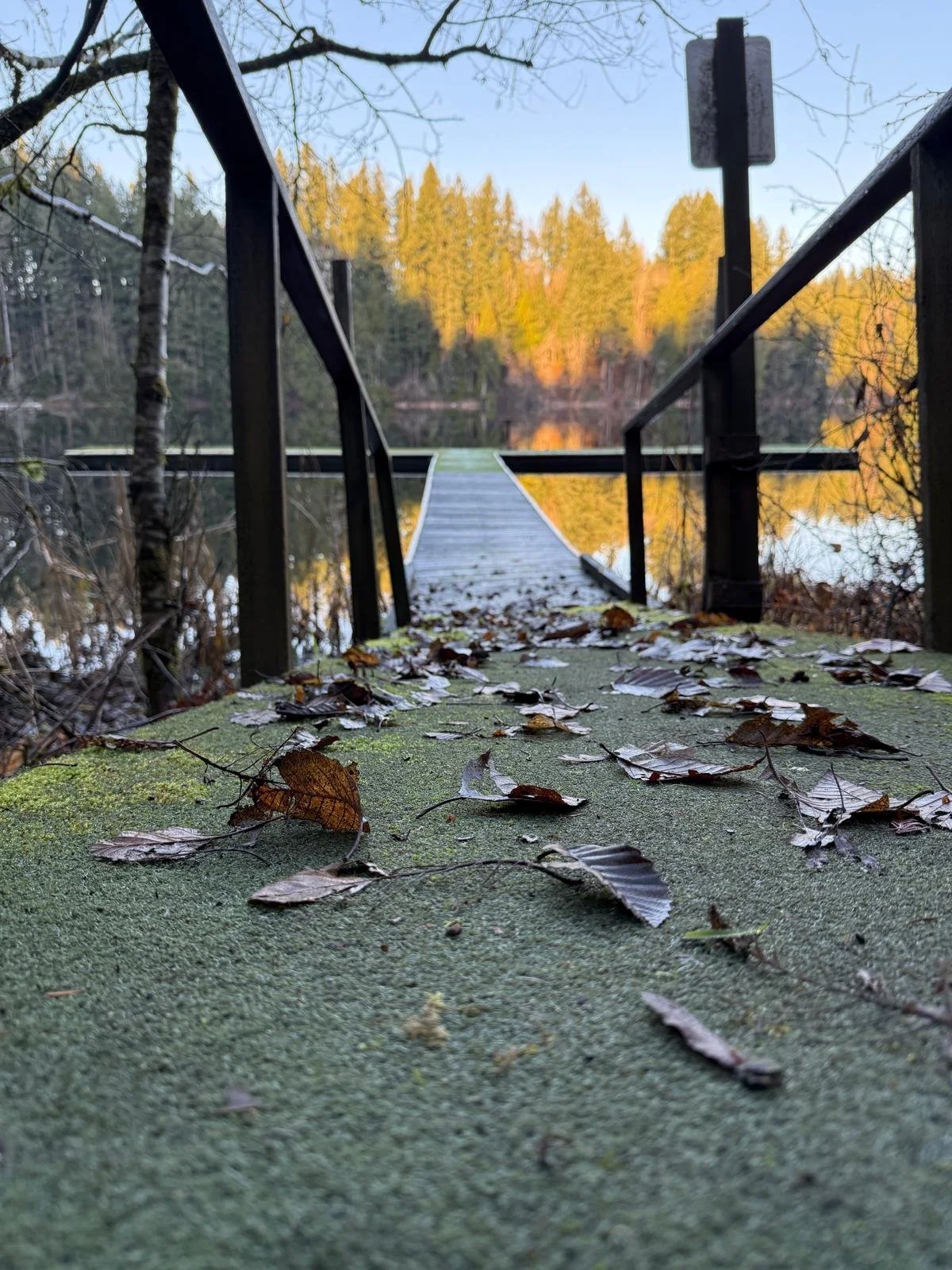
Adult Volunteers at WDC
Woodinville Day Camp is an all-volunteer-led outdoor day camp serving families in our community.
-
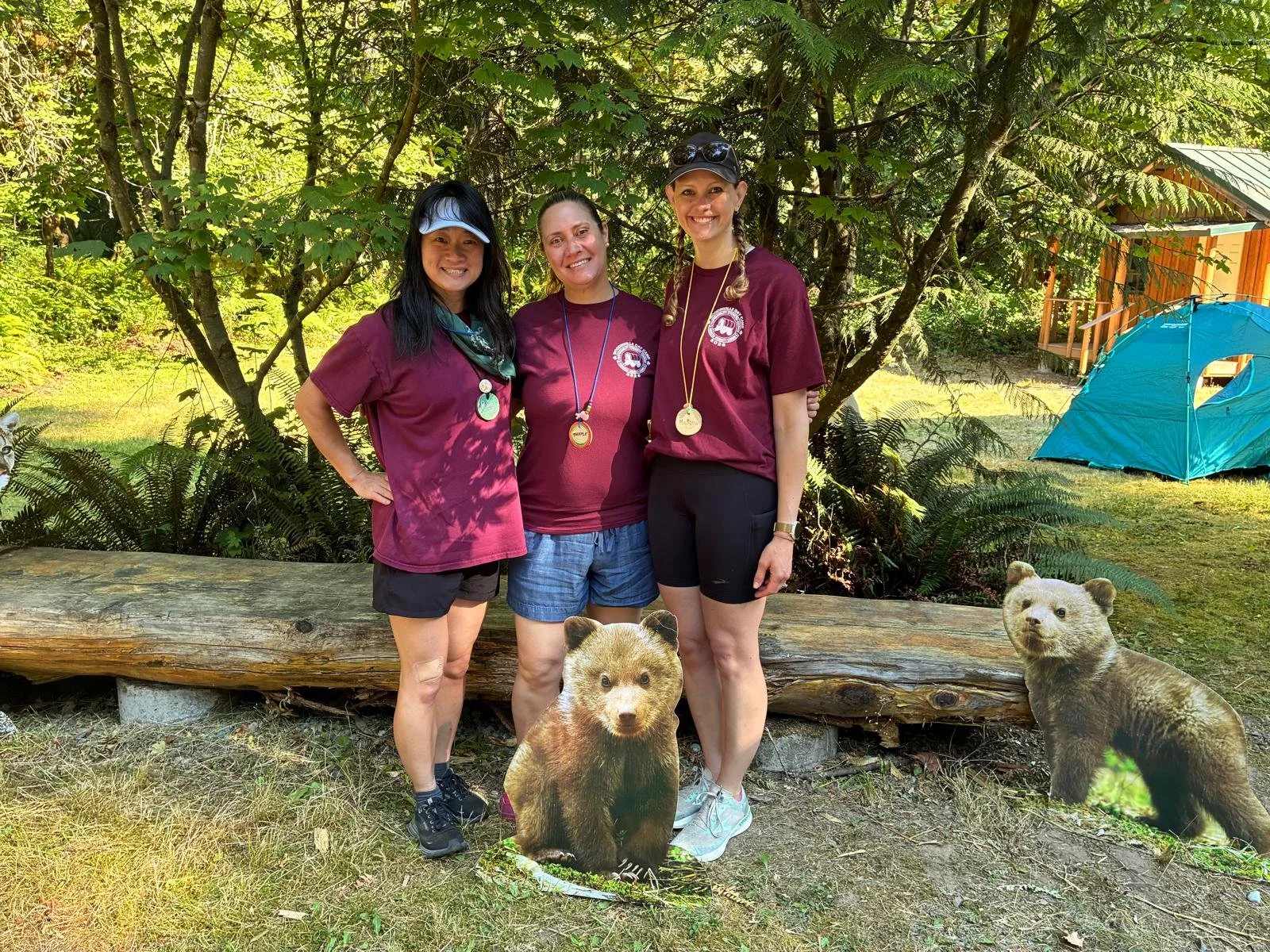
The Heart of Our Camp
Our volunteers are the heart of camp—creating meaningful experiences, building outdoor skills, and making camp magic happen! If you love working with kids, spending time outdoors, and being part of a supportive community, you belong here.
-
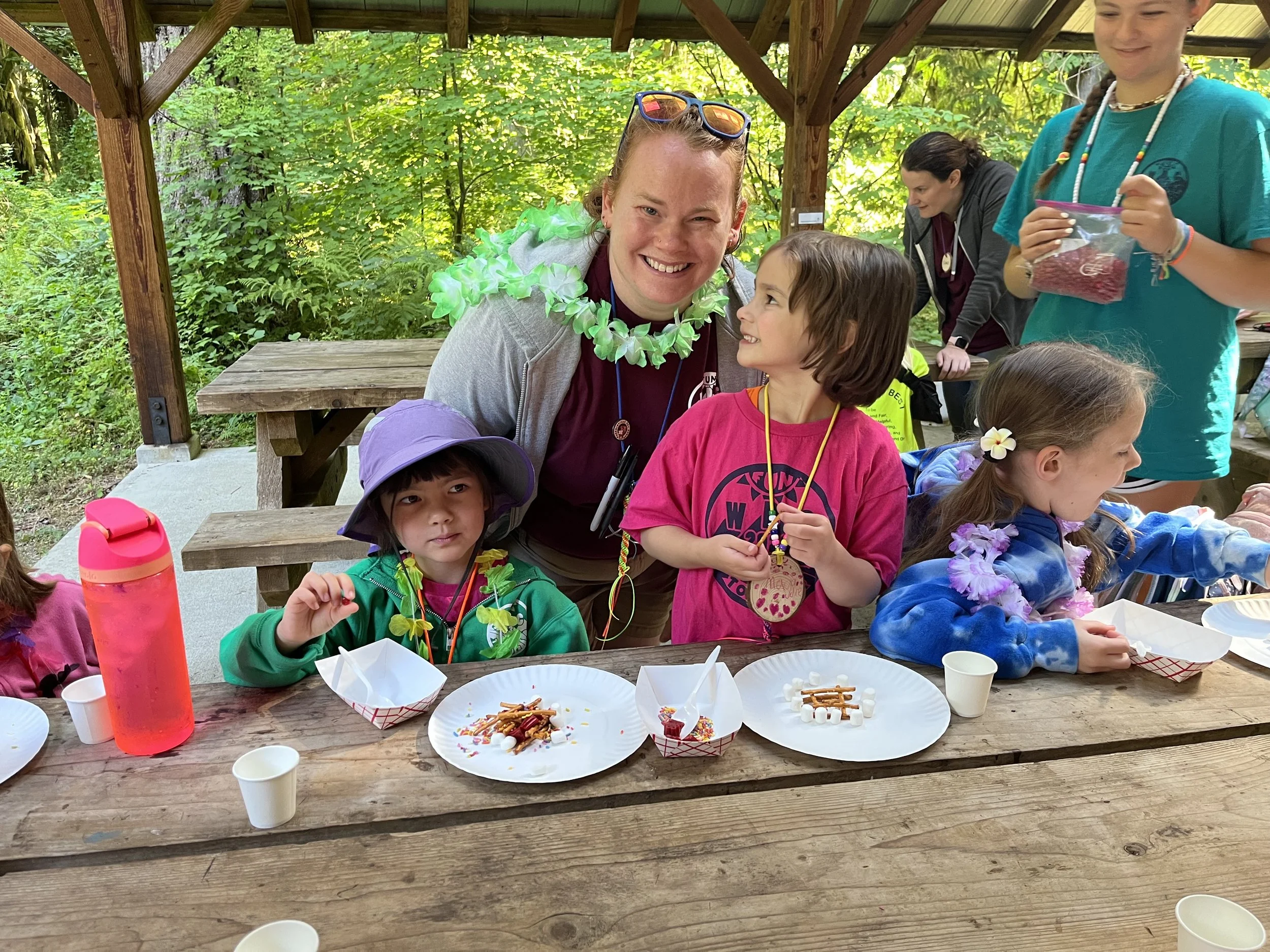
Full-Week Volunteer Perks
We love our adult volunteers! Full-week volunteers receive a variety of special benefits:
Camper Discounts & Priority Access: Discounted camper registration fees and priority registration access.
On-Site Childcare: Access to our volunteer-child units for K–6 sons (Boys Unit) and potty-trained preschool daughters (Pixies Unit).
Daily Treats & Breaks: Daily coffee, beverages, snacks, treats, and a dedicated adult lunch break at the Barn.
Gear & Memories: Official camp t-shirt, themed patch, and a rewarding week spent outdoors at Camp River Ranch.
Skill Building & Community: Learn outdoor and leadership skills you can take back to your troop while building lasting friendships with adults, teens, and campers.
-
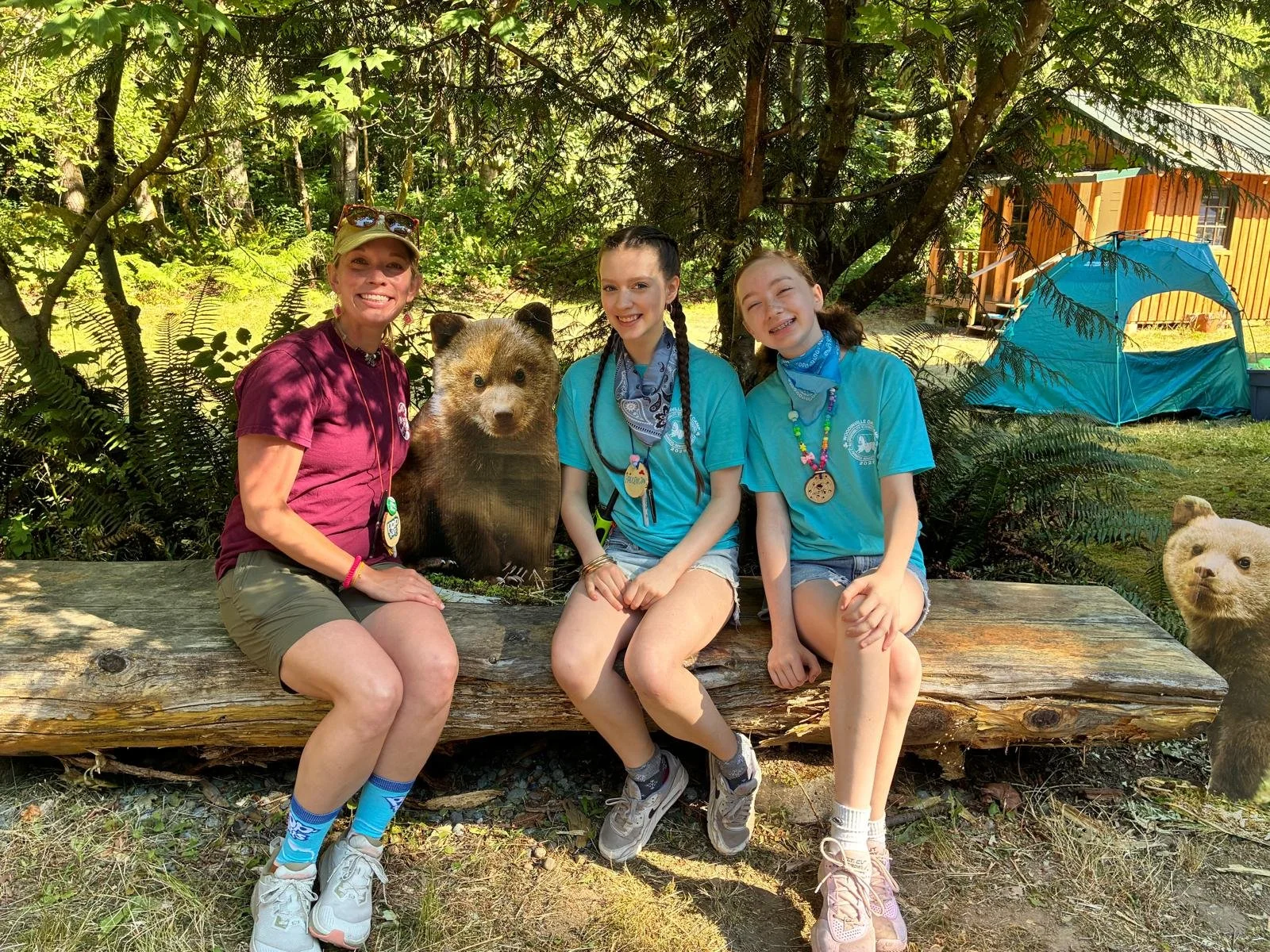
How Adult Volunteers Fit Into Camp
Our camp is designed to give Teen Leaders (PATs, PAs, and PA Leaders) the opportunity to grow in confidence, leadership, and responsibility. Your role is to support that growth — without taking over. Guide when needed, encourage independence, and step in when safety or support is required.
What Does This Look Like In Practice?
Be a calm, positive, and supportive presence
Model respect, teamwork, and flexibility
Help create an environment where both campers and teens feel successful
When to Step In?
If camper safety or well-being is at risk
If a teen asks for help
If a situation clearly needs adult support
When possible, offer guidance quietly and respectfully, and return leadership back to the teen.
We work hard to place volunteers where they’ll be successful and happy.
Adults are typically paired with experienced leaders or placed in supportive roles
Stations usually have 2–4 adults and/or teens
Camper units typically include:
12–15 campers
2 older teen Unit Leaders
2 younger teen Program Aides
-
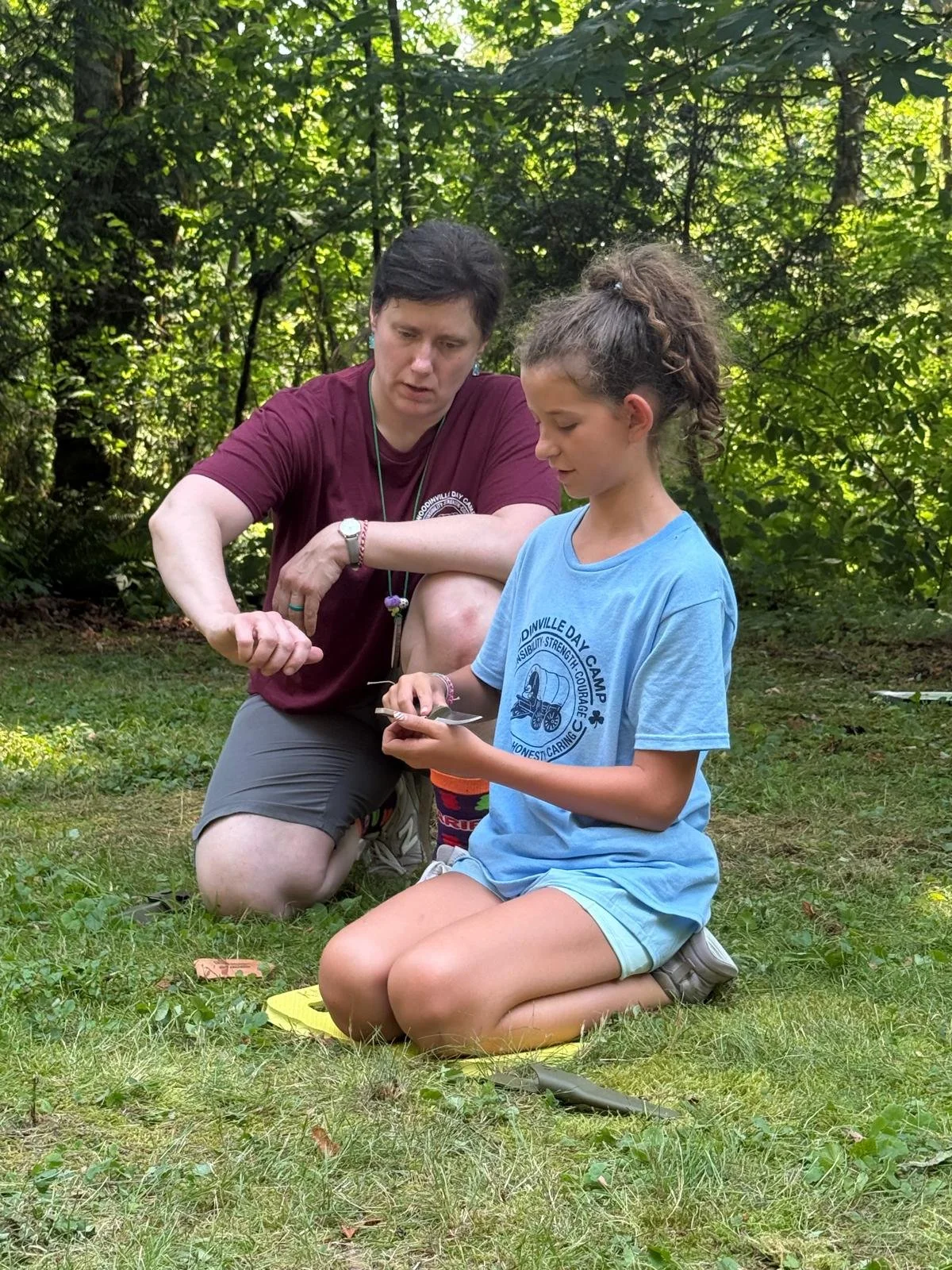
Ways Adults Help at Camp
Volunteering can look different depending on your interests and camp needs
Program RolesTeaching Outdoor Skills at Stations
Adults supporting a station will:
Partner with teen PA Station Leads to run activities
Help with setup, supplies, and smooth rotation between groups
Support multiple units of campers as they rotate through your station
Check in your own camper, then head to your station to prep for the day and join us for Morning Circle before your first group arrives
Supporting Camper Units
Adults supporting a unit will:
Help guide and support the PA team leading the unit
Assist with transitions, behavior support, and group needs
Be involved in camper check-in and check-out
Stay with the same group of campers throughout the day
Operations & Support Roles
Barn support
Carline support (drop-off & pick-up)
Shopping for supplies
Inventory & organization
6th Grade Overnight support
Equipment transport & storage
Health Room Volunteers
-
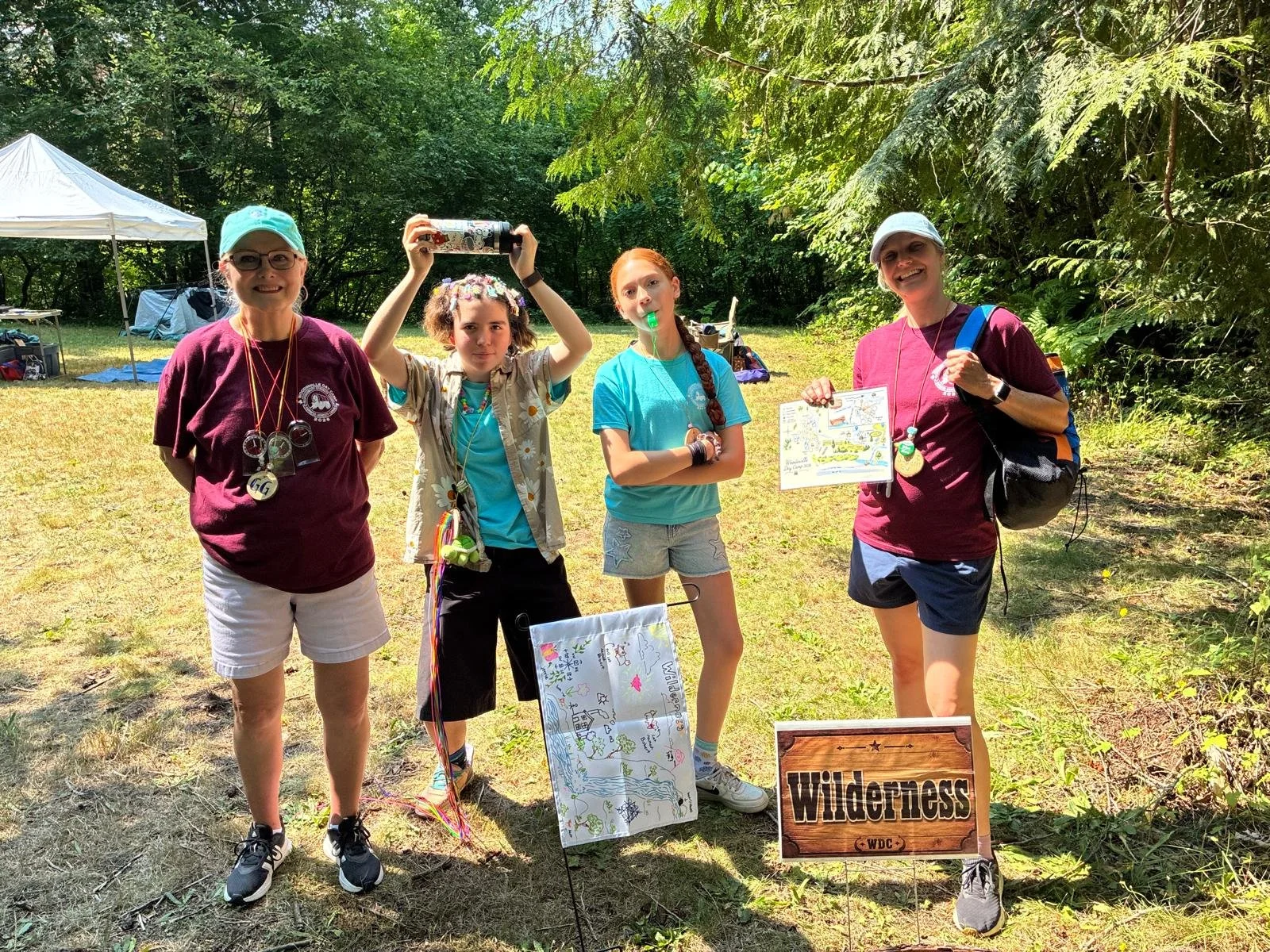
Working with Teen Leaders
Our Teen Leaders (PATs, PAs, and PA Leaders) are at the heart of the camp experience. They are learning how to lead, problem-solve, and manage a group—and your support helps them grow.
Your Role with teens
Give them the chance to lead. Allow teens to take initiative, make decisions, and guide their units whenever possible.
Support without taking over. Step in only when needed, and aim to guide rather than direct.
Be approachable and encouraging. Create a space where teens feel comfortable asking questions or seeking help.
How to offer support
Ask questions like:
“What do you think would work here?”
“How can I support you?”
Offer suggestions instead of instructions
Reinforce what they’re doing well
Providing Feedback
Give feedback privately and respectfully
Avoid correcting or stepping in front of campers unless necessary
Focus on helping teens learn, not just fixing the situation
When to step in
If a situation involves safety, well-being, or significant disruption
If a teen asks for help
If guidance is clearly needed to move things forward
If you step in, aim to:
Keep your tone calm and supportive
Briefly address the situation
Return leadership back to the teen when possible
-
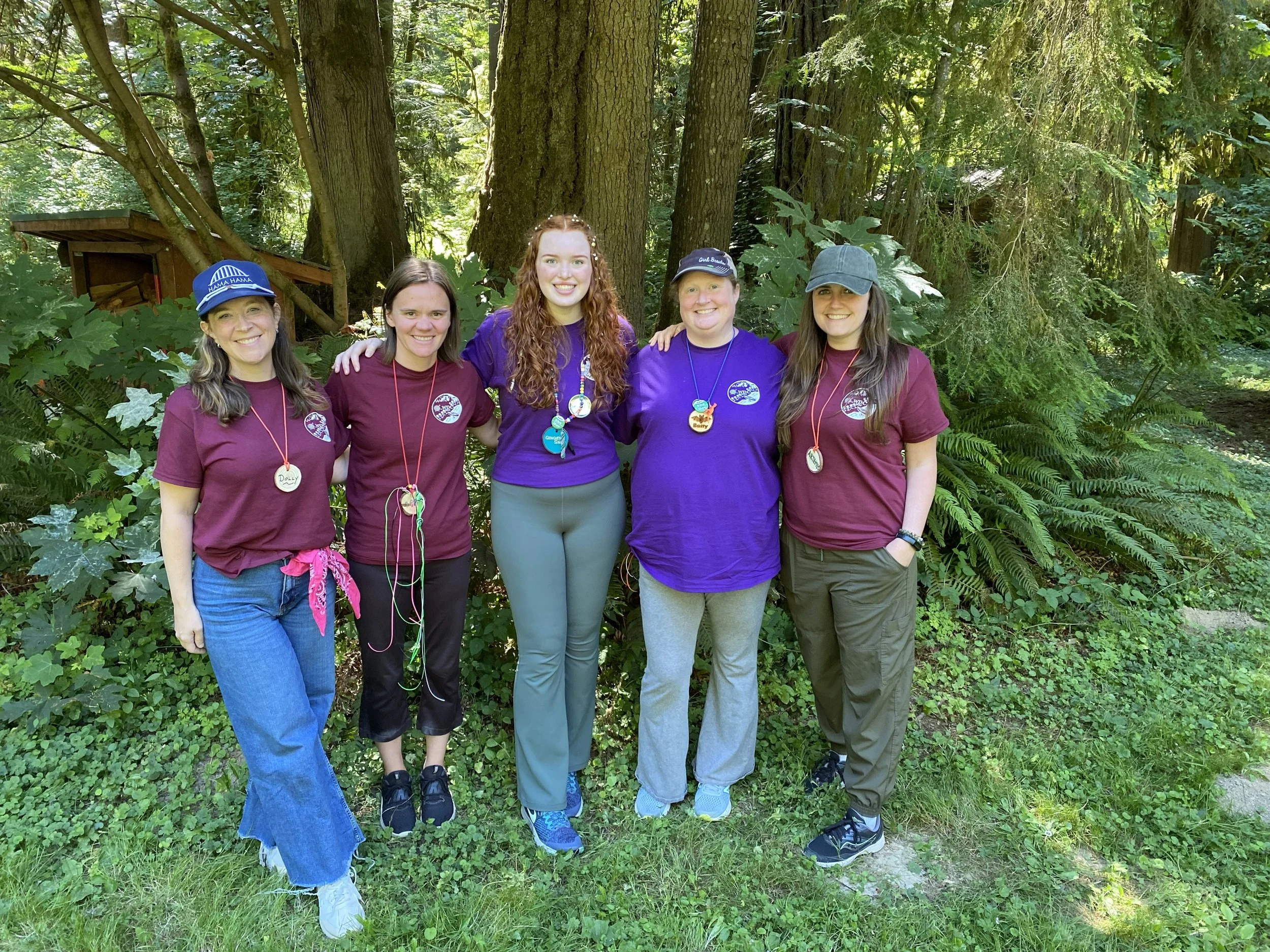
Volunteer Training & Support
We make sure every volunteer feels prepared and supported.
All Volunteers Adults attend the following training:Volunteer Training Retreat at Camp River Ranch (May 2027)
Additional Training and Setup day - July 25, 2027 (Details will be emailed)
Online Volunteer Orientation (for new volunteers only)
Training Topics Include
Girl Scout Leadership Experience at Camp
Working with Teen Leaders
Station & Unit Team Planning
Camp Safety Systems
Unit Management & Community Building
Outdoor Skills Practice
-
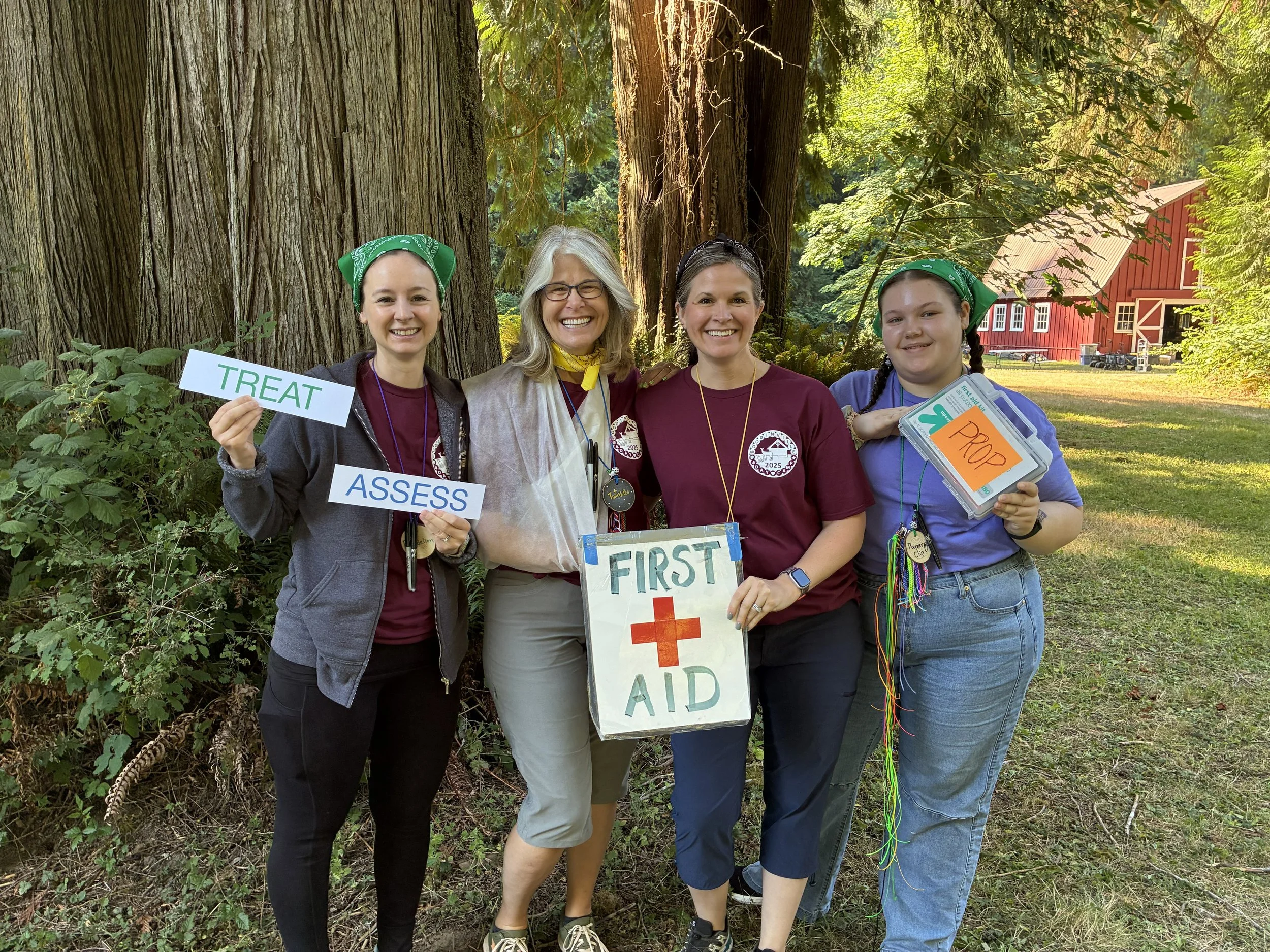
Safety, Health, & Confidentiality
The safety and well-being of our campers and staff is our highest priority. All adults are expected to be attentive, proactive, and respectful when handling any safety, health, or sensitive information.
When to act immediately
Step in right away if you observe anything that may impact a camper’s safety or well-being, including:
Physical safety concerns
Illness, injury, or signs of distress
Unsafe behavior or situations
When stepping in:
Stay calm and professional
Address the situation quickly and clearly
Involve the Health Supervisor, Directors, or PA Coordinators as needed
Health & Allergy Awareness
Some campers have important health needs, allergies, or accommodations.
Review any relevant information shared with your unit
Help ensure that teens are aware of key needs (in an age-appropriate and respectful way)
Support teens in identifying and monitoring campers who may need extra attention
If there are any concerns:
Contact the Health Supervisor immediately
Do not attempt to handle medical situations on your own beyond basic support
Confidentiality & Discretion
You may become aware of sensitive information about campers or teens.
Keep all health, behavioral, and personal information confidential
Share information only with those who need to know (Directors, Health Supervisor, Coordinators)
Avoid discussing campers or situations in public or within earshot of others
When speaking with teens:
Remind them to be discreet and respectful when discussing camper needs
Model appropriate, professional communication
When to Ask for Support
You are never expected to handle challenging situations alone.
Please reach out to the Directors, PA/PAT Coordinators, or Health Supervisor if:You are unsure how to handle a situation
A concern continues or escalates
You need additional support or guidance
Program Leadership
-
Help deliver camp programming across units.
Stations may include:Music
Crafts
Fire Building
Knife Safety
Knots & Lashing
First Aid
Flag
Outdoor Cooking
Wilderness Skills
Yoga
Camp Traditions
Boating (if scheduled with Camp RR)
Curriculum and training resources are provided.
-
Support a specific camper unit for the week.
Units include:Pixie Preschool
K–6 Grade Girls Units
Boys Unit (Adult-led)
Most K-6 Units are led by Teen PAs and PA Leaders. Adults may be asked to fill in as necessary.
-
Snack prep
Coffee & appreciation treats
Food coordination
Friday appreciation breakfast support
Daily GORP Line Support
-
Capture unit and station photos
Organize photo sharing after camp
Prepare printed photos for Friday
-
Typically a parent of a 6th grade camper
Family communication
Overnight event support (Thursday night of camp week)
Planning using existing WDC resources (We have lots of notes and mentors that can help you!)
-
Great option if you can’t volunteer full week.
Friday ~ Noon–5 PM
Physical work (lifting bins, loading truck, moving wagons)
Partial camper fee reimbursement available
-
Day after camp final cleanup.
Many hands make light work to leave Camp River Ranch better than we found it!
-
Manage health log and first aid
Communicate with families as needed
Inventory and order supplies
Complete end-of-camp reporting
Work with other Health Team Staff to manage camper care
-
Support the Health Supervisor and help care for campers and volunteers during the week of camp.
Provide basic first aid support under the direction of the Health Supervisor
Help monitor and document minor injuries, illnesses, and camper visits to the Health Room
Assist with organizing and restocking daily-use first aid supplies during camp week
Help maintain a calm, welcoming space for campers who need care or a short rest
Communicate health concerns to the Health Supervisor and Camp Directors as needed
Support health-related communication with Unit Leaders and Barn staff when directed
-
Some volunteers may also help with:
PA Break Coverage
Carline Check-In / Check-Out
Friday Inventory
Pack Up & Truck Loading
Cabin & Shelter Checks
-
CORE Staff help plan camp year-round.
They:Plan schedules and programming
Assign volunteers and teens
Lead training
Purchase supplies
Manage daily camp operations
And much more!
👉 See the CORE Team page to learn more.
If you’re ready to make camp magic happen - we’d love to have you join us.
Operations & Support Roles
Volunteer Positions
WDC Adult Volunteer Conduct & Expectations
As an Adult Volunteer at Woodinville Day Camp:
Follow camp rules and directions.
I will follow camp rules, safety procedures, and directions from the Day Camp Directors.Provide active supervision.
I understand that I am expected to be present, attentive, and available for the full day while volunteering.Meet volunteer eligibility requirements.
I understand that current Girl Scouts of Western Washington membership, volunteer registration, and a current background check are required in order to volunteer.Honor my volunteer commitment.
I understand that camp staffing depends on volunteer participation. If I am unable to fulfill my commitment, camper registrations connected to that volunteer role may be affected at the discretion of camp leadership.Put safety first.
I will not engage in or allow unsafe behavior. I will report concerns or unsafe situations to a Director right away.Maintain two-deep leadership.
I will never be alone with a camper. Another adult or teen leader should always be present or within sight. If a camper needs help with clothing or the bathroom, only a parent may assist their own child. If additional help is needed, a Director or Health Supervisor should be contacted.Use appropriate physical boundaries.
I will use appropriate physical contact such as fist bumps, high fives, or side hugs only. Campers should not sit on my lap or ride on my back.Support skills in appropriate ways.
When helping a camper with a hands-on activity, I will demonstrate or assist from the side or front whenever possible.Respect camper privacy.
Attendance, allergy, medication, and health information must be kept confidential and used only for camp purposes.Respect communication boundaries.
I will not share personal phone numbers, email addresses, or photos without parent permission.Use transportation appropriately.
During the camp day or on camp grounds, I may only give rides to another adult volunteer age 18 or older, and all seatbelts must be worn.Support all campers fairly.
I will help maintain an equitable experience for campers and avoid giving special gifts, treats, or rewards that could create problems or hurt feelings.Respect unit dynamics.
If my child is attending camp, I will limit visits to their unit except when needed or during appropriate times. This helps campers stay engaged and supports a smoother group dynamic.Model positive behavior.
I will help create a camp environment that is safe, calm, respectful, and welcoming for everyone.